



4.8 Average on Google


Personal Injury Lawyer Spartanburg SC
Personal Injury Lawyer Spartanburg, SC
If you were hurt in an accident in Spartanburg, SC, you are likely dealing with more than just the injury itself. Medical bills start to build. You may be missing work. Insurance companies begin calling quickly, often before you fully understand what your claim is worth.
At HawkLaw, our Spartanburg personal injury lawyers represent people across South Carolina who are dealing with the fallout of serious accidents. We handle personal injury cases involving everything from car accidents and workplace injuries to medical malpractice and wrongful death. Our job is to step in, take control of the legal side of your case, and put you in a position to pursue full compensation.
What a Spartanburg Personal Injury Lawyer Does
A Spartanburg personal injury lawyer represents people who were injured because someone else acted carelessly or failed to take reasonable precautions. Not every accident leads to a case, but when another party is responsible, the law allows you to pursue a personal injury claim.
In simple terms, most personal injury cases come down to a few core elements:
- Duty of care: The other party had a responsibility to act safely. This could be a driver following traffic laws, a property owner maintaining safe conditions, or a business operating without putting people at risk.
- Breach of that duty: The responsible party failed to meet that obligation. This might involve distracted driving, unsafe property conditions, or errors by medical professionals.
- Causation: The injury must be directly connected to what happened. If the incident caused or contributed to your condition, this element is met.
- Damages: You suffered real losses, such as medical expenses, lost wages, physical harm, or emotional distress.
When those elements are present, you may have the right to file a personal injury claim or personal injury lawsuit.
At HawkLaw, our role goes beyond identifying whether a claim exists. We build the case. That includes gathering evidence, reviewing medical records, and conducting a thorough investigation into what happened. We also deal directly with insurance companies, which are focused on limiting what they pay. Our goal is to protect your position and pursue a result that reflects the full impact of the injury on your life.
Types of Serious Injuries We Handle
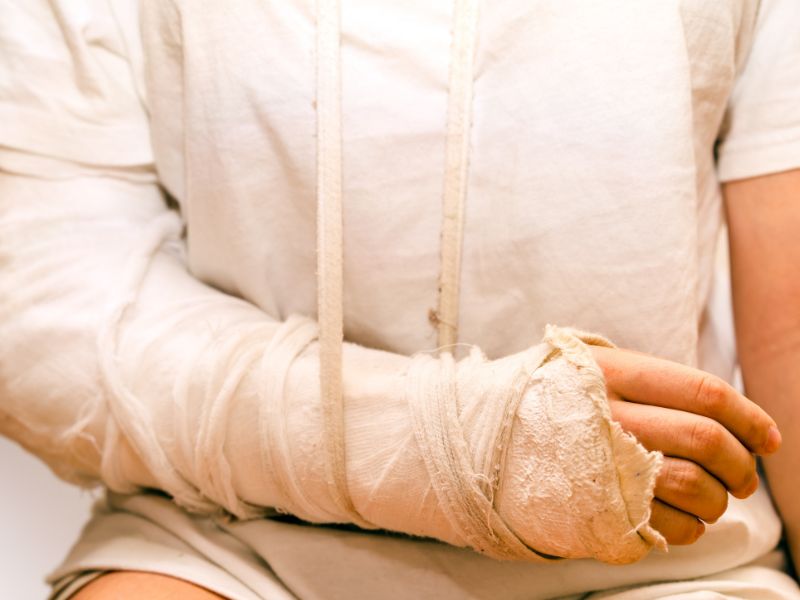
Many personal injury cases involve injuries that do not resolve in a matter of weeks. Some affect a person permanently. Others require long-term care or significantly change how someone is able to live and work. Our Spartanburg personal injury attorneys represent clients facing a wide range of serious injuries.
Traumatic Brain Injuries and Head Trauma
Brain injuries are common in serious accidents, especially car accidents, truck accidents, and falls. These injuries are not always immediately visible, but they can affect memory, concentration, mood, and behavior. Some clients experience long-term psychological trauma, mental anguish, and difficulty returning to their normal routines.
Spinal Cord Injuries and Paralysis
Spinal cord injuries often result in permanent consequences. Depending on the severity, an injured person may experience partial or complete paralysis. These cases frequently involve extensive medical treatment, rehabilitation, and long-term care needs. They can also affect a person’s ability to work, leading to lost earning capacity and ongoing financial strain.
Severe Burn Injuries
Burn injuries are among the most painful and complex injuries we see in personal injury cases. They often occur in workplace incidents, car accidents, and cases involving defective products.
Burns are generally classified by severity:
- First-degree burns: Affect the outer layer of skin and may heal without significant medical intervention.
- Second-degree burns: Extend deeper into the skin and often require medical treatment to prevent infection and scarring.
- Third-degree burns: Cause severe damage to all layers of the skin and may involve nerve damage, requiring surgery and long-term care.
- Fourth-degree burns: Extend beyond the skin into underlying tissue, muscle, or bone. These are life-threatening injuries that typically require extensive surgical treatment and can result in permanent disability.
Severe burns often lead to permanent scarring, physical pain, and the need for future medical care. Many clients also face mounting medical bills tied to surgeries, skin grafts, and rehabilitation.
Fatal Injuries and Wrongful Death Claims
Not every fatal injury results in immediate death. In many cases, a person suffers serious injuries in an accident and passes away days, weeks, or even months later. When that happens, the connection between the original incident and the death still matters.
If the injury caused or contributed to your loved one’s death, your family may have the right to pursue a wrongful death claim under South Carolina law. These cases account for both what your loved one experienced after the injury and the loss your family now faces.
At HawkLaw, we work with families to evaluate whether a personal injury case has transitioned into a wrongful death claim and what legal options are available moving forward.
Other Serious and Catastrophic Injuries
Not every serious injury falls into a single category, but the impact can still be significant. We regularly handle cases involving:
- Internal injuries: Organ damage or internal bleeding may not be immediately visible but can be life-threatening.
- Severe fractures: Bone breaks in the spine or pelvis, for example, can require surgery, hardware, or long-term recovery.
- Soft tissue injuries: Conditions like whiplash or rotator cuff tears can cause chronic pain or limit mobility.
- Psychological harm: Emotional distress, anxiety, or trauma often follow a serious accident.
These injuries can affect every part of a person’s life, from their ability to work to how they manage day to day responsibilities.
Common Causes of Personal Injury in Spartanburg
Personal injury cases in Spartanburg often come back to a handful of common causes. While the details of every case are different, most claims involve situations where someone failed to act responsibly and caused harm as a result. At HawkLaw, our Spartanburg personal injury lawyers handle cases across a wide range of accident types.
Car, Truck, and Motorcycle Accidents in Spartanburg
Car accidents remain one of the most common sources of personal injury cases in Spartanburg, SC. Busy corridors like the I-26 and I-85 interchange, Highway 29 (West Main Street), and Pine Street and Reidville Road see a high volume of traffic, making them especially dangerous roads for drivers, passengers, and other road users alike.
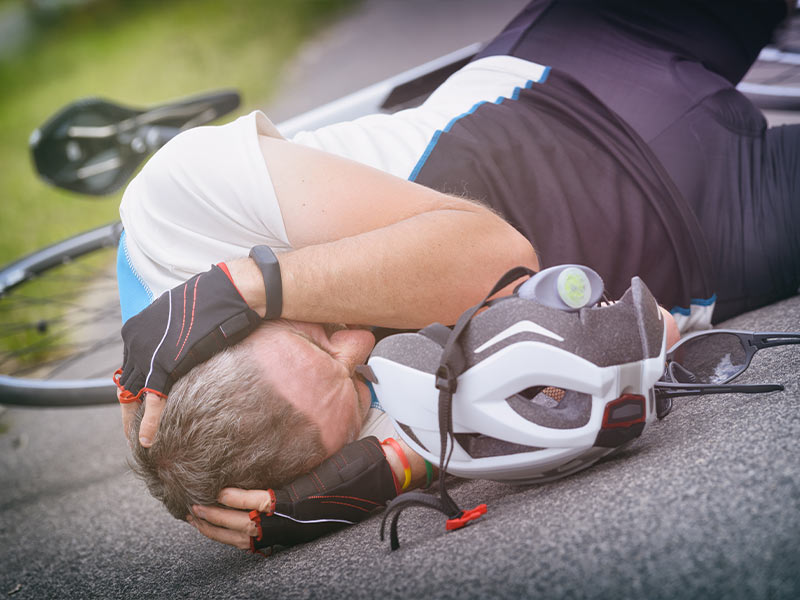
Many of these crashes are preventable. We regularly see cases involving distracted drivers, drunk or impaired drivers, and drivers who simply fail to pay attention to the road. Motorcycle accidents and truck accidents often lead to more severe injuries due to the size and force involved. Pedestrians and cyclists are also more likely to sustain serious harm in a wreck.
Rideshare services have added another layer of complexity. Uber accidents and Lyft accidents, just like crashes with big-rigs, can involve multiple parties, including the driver, the company’s insurance coverage, and other vehicles on the road. Determining who is responsible is not always straightforward.
In these cases, insurance companies move quickly to protect their interests. Our role is to conduct a thorough investigation, gather evidence, and build a claim that reflects what actually happened — not just what the at fault driver’s insurer is willing to admit.
Dangerous Properties and Premises Liability Claims
Slips, trips, and falls are one of the leading causes of unintentional injury in South Carolina. Property owners in South Carolina have a responsibility to maintain reasonably safe conditions. When they fail to do so, people can get hurt.
Premises liability cases often involve hazards such as:
- Unsafe walkways: Broken sidewalks, uneven flooring, or unmarked changes in elevation that create a tripping hazard.
- Poor lighting: Inadequate lighting in parking lots, stairwells, or entryways that makes it difficult to see potential dangers.
- Unaddressed hazards: Spills, debris, or other conditions that are left unattended long enough to put visitors at risk.
- Animal attacks: Dog bites and other incidents where an owner fails to properly control an animal.
These cases often come down to what the property owner knew (or should have known) about the danger and whether they took reasonable steps to fix it. Restaurants, hotels, sports arenas, nightclubs, shopping malls: their owners/operators could be liable if you are hurt on their property.
Medical Malpractice and Healthcare Errors
Medical malpractice cases arise when medical professionals fail to meet accepted standards of care, and a patient is harmed as a result. These cases are often complex and require careful review of medical records and expert analysis.
Common examples include surgical errors, misdiagnosis, delayed diagnosis, and medication mistakes. In more severe cases, malpractice can lead to birth injuries or harm in nursing home settings where vulnerable individuals depend on proper care.
Not every poor outcome is malpractice. The key question is whether the injury could have been avoided if proper care had been provided.
Worksite Accidents and Workers’ Compensation Claims
Workplace injuries are another common source of personal injury claims. Construction accidents, equipment failures, and unsafe working conditions can all lead to serious harm.
In many cases, injured workers have access to workers compensation benefits. These claims can help cover medical bills and lost wages, but they may not address the full impact of the injury. When a third party is involved — such as a contractor, equipment manufacturer, or driver in a car accident at work — there may also be a separate personal injury claim.
At HawkLaw, we help injured workers understand how these claims interact and what options are available to pursue full financial recovery.
Defective Products and Dangerous Equipment
Some injuries occur because a product fails to function safely. Defective products can include anything from machinery and tools to consumer goods and vehicle components.
These cases often involve multiple parties, depending on where the failure occurred:
- Manufacturer: The company that designed or produced the product may be responsible for design flaws or manufacturing defects.
- Distributor: A third party involved in moving the product through the supply chain may share responsibility if they handled or modified the product improperly.
- Retailer: The business that sold the product can be liable in certain situations, particularly if it sold a dangerous or recalled item.
Identifying the responsible party requires a detailed investigation into how the product was designed, produced, and used. When a defective product causes harm, injury victims may have the right to pursue compensation from one or more of these parties.
What to Do After an Injury in Spartanburg
What you do in the hours and days after an injury can have a direct impact on your health and your ability to pursue a personal injury claim. Taking the right steps early helps protect both.
- Get medical attention right away: Even if your injuries seem minor, it is important to be evaluated by a medical professional. Some conditions, including brain injuries and internal injuries, may not show symptoms immediately. Prompt treatment also creates medical records that connect your injuries to the incident.
- Report the incident: Whether it is a car accident, workplace injury, or incident on someone else’s property, make sure there is an official record. This could be a police report, workplace incident report, or documentation from a property owner or manager.
- Document what you can: If you are able, take photos of the scene, your injuries, and any contributing conditions. Gather names and contact information for witnesses. This kind of evidence can become important later as the details of the incident are reviewed.
- Avoid delaying treatment: Gaps in medical care can raise questions for insurance companies about how serious your injuries are. Following through with recommended treatment helps protect both your recovery and your injury claim.
- Be cautious with insurance companies: After many accidents, insurance companies will reach out quickly. Their goal is to limit what they pay. Providing recorded statements or accepting an early offer without understanding the full impact of your injuries can hurt your case.
- Speak with a personal injury lawyer: Getting legal guidance early allows you to understand your options and avoid missteps. A Spartanburg personal injury attorney at HawkLaw can review your situation, help gather evidence, and begin building a claim designed to support full compensation.
Taking these steps does not guarantee a specific outcome, but it puts you in a stronger position as your case moves forward.

How the Personal Injury Claim Process Works in South Carolina
Most personal injury cases do not resolve overnight. They follow a structured legal process that involves investigation, documentation, and negotiation. Understanding how this process works can help you know what to expect as your case moves forward.
Step One: Your Initial Consultation
You meet with our team to discuss what happened, your injuries, and whether you have a viable personal injury claim. This is where we begin evaluating your legal options and next steps.
Step Two: Investigation and Evidence Collection
We begin a thorough investigation into the incident. This includes gathering evidence such as incident reports, medical records, photos, and witness statements to understand how the injury occurred.
Step Three: Ongoing Medical Treatment
Your medical care continues while your case develops. Consistent treatment helps document the full extent of your injuries and avoids gaps that insurance companies may use against you.
Step Four: Identifying Liability
We determine who is responsible for the injury. In some cases, there may be multiple parties involved, especially in truck accidents, workplace injuries, or defective product claims.
Step Five: Calculating Your Damages
We assess the full impact of the injury, including medical expenses, lost wages, future medical care, and the effect on your day to day life. This step is critical to understanding what your case is actually worth.
Step Six: Filing Your Claim
We formally present your injury claim to the appropriate insurance companies. In some situations, this may lead to filing a personal injury lawsuit if the claim is disputed.
Step Seven: Negotiation With Insurance Companies
Insurance companies often respond with low initial offers. We handle these negotiations and work to reach a favorable settlement that reflects the full scope of your losses.
Step Eight: Filing a Lawsuit (If Needed)
If a fair resolution is not reached, we move forward with a personal injury lawsuit in South Carolina courts.
Step Nine: Discovery
Both sides exchange information, request documents, and take depositions. This phase helps clarify the facts and strengthen your position.
Step Ten: Mediation or Settlement Discussions
Many personal injury cases are resolved during this stage. Structured negotiations may lead to an agreement without going to trial.
Step Eleven: Trial
If no settlement is reached, the case proceeds to trial, where a judge or jury determines the outcome.
Step Twelve: Resolution
The case concludes with a final outcome, whether through settlement or court decision, resulting in financial recovery where appropriate.
This legal process takes time and preparation. At HawkLaw, we guide clients through each stage and handle the details so they can stay focused on recovery.
Compensation Available in Spartanburg Personal Injury Cases
A personal injury claim is meant to address the real impact an injury has had on your life. That includes both financial losses and the broader effects of physical and emotional harm. In Spartanburg personal injury cases, compensation may include several categories of damages.
- Medical expenses: This includes emergency care, hospital stays, follow-up treatment, rehabilitation, and ongoing medical bills related to the injury.
- Lost wages: If your injury prevents you from working, you may be able to recover compensation for lost income during your recovery.
- Future medical care: Some injuries require long-term treatment or support. These projected costs are considered when evaluating the value of a personal injury claim.
- Emotional distress and physical pain: Accidents can lead to anxiety, depression, or other forms of mental anguish that affect daily life. If you live in chronic pain, that can be compensible, too.
- Loss of earning capacity: When an injury limits your ability to return to your previous type of work, that long-term impact may be factored into your claim.
- Financial recovery for overall impact: This includes the broader effect the injury has had on your quality of life, including physical harm and limitations on day to day activities.
Every case is different. The goal is to pursue maximum compensation that reflects the full scope of your losses, not just the immediate costs.

How Fault and Liability Work in South Carolina
In South Carolina, personal injury cases are built on the concept of fault. To recover compensation, you must show that another party was responsible for causing the injury. In some cases, that responsibility is clear. In others, it requires a detailed investigation.
Liability can involve one responsible party or multiple parties depending on the circumstances. For example, a truck accident may involve the driver, the company, and other third parties. A defective product case may involve the manufacturer, distributor, and retailer.
South Carolina follows a modified comparative fault rule. This means that more than one party can share responsibility for an incident. If you are partially at fault, your ability to recover compensation may be reduced based on your percentage of fault.
Insurance companies often try to shift blame to limit what they pay. That is why it is important to have legal representation that can gather evidence, establish what actually happened, and present a clear case showing where responsibility lies.
At HawkLaw, we focus on identifying the responsible party, addressing any arguments about shared fault, and building a claim that supports a fair outcome for our clients.
Why Work With a Spartanburg Personal Injury Attorney at HawkLaw
Not all personal injury law firms approach cases the same way. At HawkLaw, we focus on building strong, well-supported claims that reflect what our clients are actually dealing with — not just what an insurance company is willing to offer.
Our Spartanburg personal injury attorneys handle a wide range of personal injury cases across South Carolina. That experience matters when it comes to identifying the issues in a case, anticipating how insurance companies will respond, and preparing for each stage of the legal process.
When you work with HawkLaw, you are not left trying to manage the case on your own. Your personal injury attorneys handle communication with insurance companies, gather evidence, review medical records, and conduct a thorough investigation into what happened. Our goal is to take that burden off your shoulders so you can focus on your recovery.
We also understand that no two injury victims are dealing with the same situation. Some clients are facing mounting medical bills. Others are unable to return to work. Many are dealing with long-term physical harm or psychological trauma. Our approach is to look at the full picture and pursue a claim that reflects the real impact of the injury.
Speak With a Spartanburg Personal Injury Lawyer Today
If you were injured in an accident in Spartanburg, SC, you do not have to handle the legal process on your own. A Spartanburg personal injury lawyer at HawkLaw can review your case, explain your legal options, and help you take the next step.
We offer a free* consultation so you can get answers without taking on additional financial pressure. During your initial consultation, we will look at the details of your situation and explain how a personal injury claim or personal injury lawsuit may apply.
HawkLaw handles cases on a contingency fee basis. That means you do not pay* legal fees unless we recover compensation for you. If you have questions about your injury claim or want a free case review, our team is ready to help you move forward. Contact us today to schedule your free* consultation. We maintain additional offices in Greenville, Anderson*, Charleston and Columbia for your convenience.
Contingency fees refer only to the fee charged by the attorney. The client may still be responsible for certain costs and expenses. Results are not guaranteed. The Anderson office is by appointment only, and clients are generally served out of the Greenville office location.
Frequent Answered Questions
Pain and suffering refers to the physical pain and emotional distress caused by an injury. Unlike medical bills or lost wages, there is no fixed formula. Instead, it is evaluated based on factors like the severity of the injury, how long recovery takes, whether the injury is permanent, and how it affects your day to day life. Strong medical records and consistent treatment play a key role in supporting this part of a personal injury claim.
In most cases, South Carolina law gives you three years from the date of the injury to file a personal injury lawsuit. However, certain situations can change that timeline, including cases involving minors or claims against government entities. Waiting too long can limit your legal options, so it is important to speak with a Spartanburg personal injury attorney as soon as possible.
You may still be able to recover compensation. South Carolina follows a modified comparative fault rule, which means you can pursue a claim as long as you are less than 51% responsible for the accident. Your recovery may be reduced based on your share of fault, but being partially responsible does not automatically prevent you from bringing a personal injury claim.
Visit Our Office

John Hawkins is the Founder and CEO of HawkLaw He has been licensed to practice law in South Carolina since his graduation with honors in 1994 from the University of South Carolina School of Law, where he was on the Law Review and Order of Wig and Robe.
Spartanburg Practice Areas

-
 $3,000,000*
Trucking Accident Settlement
-
 $1,005,000*
Car Accident Settlement
-
 $575,000*
Personal Injury Settlement