
 Recent Blog Post
SC Dog Bite Laws | What Victims Must Know


Getting attacked by a dog changes everything in an instant. South Carolina dog bite laws exist to protect victims and hold dog owners accountable, but understanding how these laws apply to your situation makes the difference between fair compensation and having to cover costs yourself.
SC dog bite laws establish strict liability for dog owners, meaning that if a dog injures you and you were lawfully present where the attack occurred, the owner should be responsible. Working with a South Carolina dog bite lawyer from HawkLaw, P.A. helps you receive the compensation you deserve for injuries that never should have happened.
The Basics of SC Dog Bite Laws
South Carolina operates under strict liability for dog bites and attacks. Under S.C. Code § 47-3-110: “Whenever a person is bitten or otherwise attacked by a dog while the person is in a public place or is lawfully in a private place, including the property of the owner of the dog, the owner of the dog is liable for the damages suffered by the person bitten or otherwise attacked.”
What Strict Liability Means for Victims
Strict liability eliminates the burden of proving the owner’s negligence or prior knowledge of the dog’s dangerous tendencies. In many legal contexts, you must prove someone acted carelessly or knew about a hazard they failed to address. Dog bite law in South Carolina doesn’t work that way. You don’t need to show the owner failed to restrain the dog properly, ignored warning signs of aggression, or violated any specific duty of care. The simple fact that the dog bit or attacked you while you were lawfully present establishes the owner’s liability.
This legal standard dramatically strengthens victims’ positions. You’re not fighting uphill to prove what the owner knew or should have known. The attack itself creates liability.
South Carolina Does Not Follow the One-Bite Rule
Some states follow the “one-bite rule,” giving dogs essentially one free attack before owners face liability. Under this outdated approach, owners aren’t responsible for the first bite unless they had specific knowledge that their dog was dangerous.
South Carolina explicitly rejects this standard. From the very first incident, dog owners are liable for injuries their animals cause. It doesn’t matter if the dog has never shown aggression before, has no history of biting, or is generally friendly and well-behaved.
Liability Applies to Bites and Non-Bite Attacks
Notice the statute covers situations where a person is “bitten or otherwise attacked.” Dog-related injuries don’t always involve teeth breaking skin. Dogs cause serious harm by:
- Jumping on people and knocking them down, causing fractures, head injuries, or other trauma from falls
- Chasing victims who fall while trying to escape
- Scratching or clawing, which is particularly dangerous for children and elderly victims
- Charging aggressively in ways that cause people to stumble, fall, or injure themselves avoiding the animal
All of these scenarios fall under SC dog bite laws. Whether the dog’s teeth puncture your skin or the animal injures you through other aggressive behavior, the owner is liable if you were lawfully present on public or private property.
When Dog Owners Are and Are Not Liable Under SC Law
Situations Where Owners Are Automatically Liable
Understanding when strict liability applies helps you recognize valid claims:
- On the Owner’s Property: If you’re invited to someone’s home, lawfully conducting business there, or otherwise permitted on the property when their dog attacks, the owner is liable.
- In Public Spaces: Dog owners who bring their animals to parks, sidewalks, trails, or other public areas are liable when their dogs attack other people. Public spaces don’t excuse aggressive behavior.
- At Dog-Friendly Businesses: The growing trend of businesses allowing dogs creates liability exposure for owners whose animals can’t handle these environments. Bringing an untrained or aggressive dog to pet-friendly breweries or patios, Home Depot, or any other business that permits animals doesn’t shield owners from liability.
Children receive additional protections, even in trespassing scenarios. The attractive nuisance doctrine recognizes that children may be drawn onto property by interesting features, including friendly-looking dogs visible from the street or in yards. If a child enters a property because they’re attracted to a dog and the dog attacks them, the owner is likely still liable despite the technical trespass. Courts recognize children lack the judgment to understand property boundaries and danger the way adults do.
Defenses That May Reduce or Eliminate Liability
While South Carolina’s strict liability statute favors victims, certain defenses can reduce or eliminate the owner’s responsibility:
Provocation
If the victim intentionally provoked the dog through teasing, hitting, poking, pulling, or other aggressive behavior toward the animal, the owner may avoid liability. However, provocation requires intentional actions designed to antagonize the dog.
Trespassing
The statute explicitly protects people who are “lawfully” present. If you’re trespassing on private property without permission or legal justification and a dog attacks you, the owner generally isn’t liable under the strict liability statute. However, trespassing defenses fail when:
- The property owner gave you permission to be there, even informally
- You’re a child covered by the attractive nuisance doctrine
- You’re conducting official business (like a process server)
- The owner created circumstances that invited or expected your presence
Working Dog Exceptions in Narrow Circumstances
Limited exceptions exist for certain working dogs performing their trained duties:
- Police and military K-9 units engaged in lawful police work
- Service animals assisting people with disabilities when the animal is performing trained tasks
These exceptions are narrow and don’t apply to typical family pets or even most dogs with “jobs.”
What Happens If an “Emotional Support” Animal Bites or Attacks Me?
Emotional support animals receive no special protection under SC dog bite laws. Despite the proliferation of emotional support animal designations, these animals aren’t service animals under the law, and their owners receive no liability protection.
SC Dog Bite Laws and “Dangerous Dog” Rules
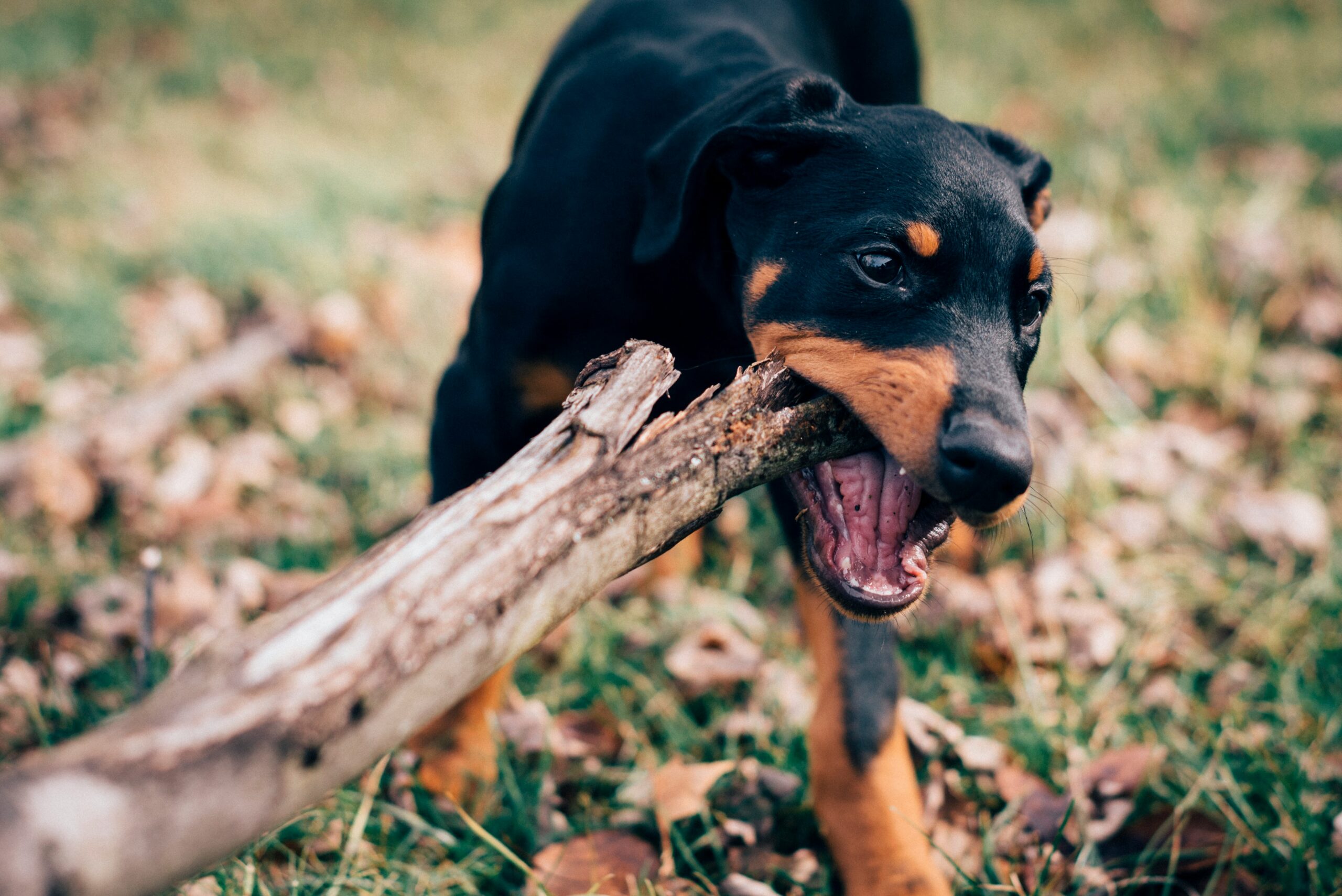
South Carolina law also designates certain dogs as “dangerous” or “vicious” after attacks occur, though these designations don’t affect your ability to recover for your injuries. Local ordinances may require owners of dogs that have attacked people to take special precautions, such as:
- Posting warning signs on their property
- Maintaining liability insurance
- Keeping the dog in secure enclosures
- Muzzling the dog in public
Violations of dangerous dog regulations can support negligence claims in addition to strict liability claims, potentially increasing compensation through punitive damages.
What Victims Should Do Immediately After a Dog Bite in South Carolina
Your actions immediately after an attack affect both your health and your legal claim. Follow these steps:
Step 1: Get Medical Care Immediately
Dog bites require professional medical attention, even when injuries seem minor. Immediate medical care serves multiple purposes:
- Infection prevention
- Tetanus protection
- Rabies evaluation
- Medical records and documentation
Don’t minimize injuries or delay treatment, hoping wounds heal on their own. How to treat a dog bite correctly requires professional medical evaluation, not just home first aid.
Step 2: Report the Bite
Report the attack to local animal control authorities. This creates an official record of the incident and allows authorities to:
- Verify the dog’s rabies vaccination status
- Quarantine the animal if necessary
- Document whether the dog has a history of aggression
- Enforce dangerous dog ordinances if applicable
Step 3: Document Everything
Gather evidence while memories are fresh and injuries are visible:
- Photograph your injuries from multiple angles, continuing to document healing (or complications) over time
- Photograph the attack location, the dog (if safely possible), and any relevant environmental factors
- Collect contact information for the dog owner and any witnesses
- Write down exactly what happened while details are clear
- Keep copies of all medical records, bills, and treatment instructions
- Save any communications with the dog owner or their insurance company
Step 4: Track Your Recovery
Keep detailed records of your recovery process:
- All medical appointments and treatments
- Medications and their costs
- Time missed from work
- Activities you can’t participate in due to injuries
- Emotional and psychological impacts
- How long dog bites take to heal varies based on severity, location, and whether complications develop
This information supports claims for both economic damages (medical costs and lost wages) and non-economic damages (pain, suffering, and reduced quality of life).
Step 5: Call HawkLaw, P.A.
Contact experienced dog bite attorneys who understand SC dog bite laws and how to maximize your compensation. Early legal guidance prevents mistakes that damage your claim and ensures you meet all deadlines.
Filing a Dog Bite Lawsuit in South Carolina
South Carolina’s statute of limitations gives you three years from the date of the dog bite to file a lawsuit. While three years might seem like plenty of time, don’t delay. Evidence disappears, witnesses’ memories fade, and insurance companies use delay against you.
The litigation process involves many steps, from initial evidence gathering to a potential trial. Most dog bite cases settle without trial, but having attorneys from HawkLaw, P.A. who are prepared to litigate ensures insurance companies take your claim seriously.
Who Pays for a Dog Bite in South Carolina?
Our dog bite lawyers evaluate available coverage to determine your claim’s viability and the best course of action.
Homeowners Insurance
Most homeowners insurance policies include liability coverage that pays for injuries the policyholder causes, including dog bites. Coverage typically ranges from $100,000 to $300,000 or more, though some policies exclude certain dog breeds or exclude dog bite coverage entirely.
Renters Insurance
Renters insurance policies typically include personal liability coverage similar to homeowners policies. Does renters insurance cover dog bites? Yes, in most cases. If the dog owner rents their residence and maintains renters insurance, their policy should cover dog bite liability.
When the Owner Has No Insurance
Some dog owners have no homeowners or renters insurance, creating challenges for recovery. Your options include using your own coverage, going after the dog owner’s assets, or other avenues our dog bite attorneys might identify.
Damages Dog Bite Victims Can Recover in South Carolina
Successful dog bite claims compensate various categories of harm:
Economic Damages:
- All medical expenses, including emergency care, surgeries, medications, physical therapy, and ongoing treatment
- Lost income from missed work during recovery
- Reduced earning capacity if injuries cause permanent limitations
- Property damage (torn clothing, damaged belongings)
- Physical pain and suffering
- Emotional distress, anxiety, and trauma
- Scarring and disfigurement
- Loss of enjoyment of life
- Permanent disability or impairment
When an owner’s conduct was particularly reckless or malicious, courts may award punitive damages designed to punish wrongdoing and deter similar conduct.
Should You Sue for a Dog Bite in South Carolina?
If you sustained injuries from a dog bite or attack, you should file a claim or lawsuit. Consider pursuing legal action when:
- Your injuries required medical treatment beyond basic first aid
- You missed work or suffered lost income
- You have permanent scarring, especially on visible areas
- The attack caused emotional trauma or ongoing fear
- Medical bills and other costs exceed what the owner or their insurance offered
- The dog has attacked others, indicating a dangerous pattern
Attorney consultation costs nothing and helps you understand whether your claim warrants legal action.
What to Expect When Working With a Dog Bite Law Firm
Dog bite law firms handle your entire claim while you focus on recovery. Our legal team investigates the attack, builds a strong case with supporting evidence, and negotiates insurance settlements that fully compensate your damages. We also never hesitate to file lawsuits and litigate when necessary.
At HawkLaw, P.A., our personal injury attorneys work on contingency, meaning you pay no attorney fees* unless we recover compensation for you.
How a HawkLaw, P.A. Attorney Can Help You After a Dog Bite
HawkLaw, P.A. handles dog bite cases throughout South Carolina. Our attorneys understand SC dog bite laws and how to build compelling cases that maximize compensation. We investigate attacks thoroughly, identify all sources of coverage, and negotiate aggressively with insurance companies that try to minimize payouts.
We handle everything from straightforward insurance settlements to complex litigation against multiple defendants. Our goal is recovering full compensation* while you focus on physical and emotional healing.
SC Dog Bite Laws: Let HawkLaw, P.A. Help
If you’ve suffered injuries from a dog attack in South Carolina, HawkLaw P.A. can help. We have office locations in Anderson*, Greenville, Charleston, Spartanburg, and Columbia. Contact us today to discuss your case for free*.
Past results do not guarantee future results. Anderson clients are primarily helped out of our Greenville location.

John D. Hawkins
John Hawkins is the Founder and CEO of HawkLaw He has been licensed to practice law in South Carolina since his graduation with honors in 1994 from the University of South Carolina School of Law, where he was on the Law Review and Order of Wig and Robe.
-
 $3,000,000*
Trucking Accident Settlement
-
 $1,005,000*
Car Accident Settlement
-
 $575,000*
Personal Injury Settlement


